
Key Takeaways:
- Most new home electric vehicle chargers installed in the UK no longer require a physical earth rod to be driven into the ground.
- Modern wallboxes now come with built-in PEN (Protective Earth and Neutral) fault protection, automatically monitoring the electrical supply for maximum safety.
- The IET Wiring Regulations (18th Edition) strictly govern these installations, making built-in O-PEN technology the legal and aesthetic standard for 2026.
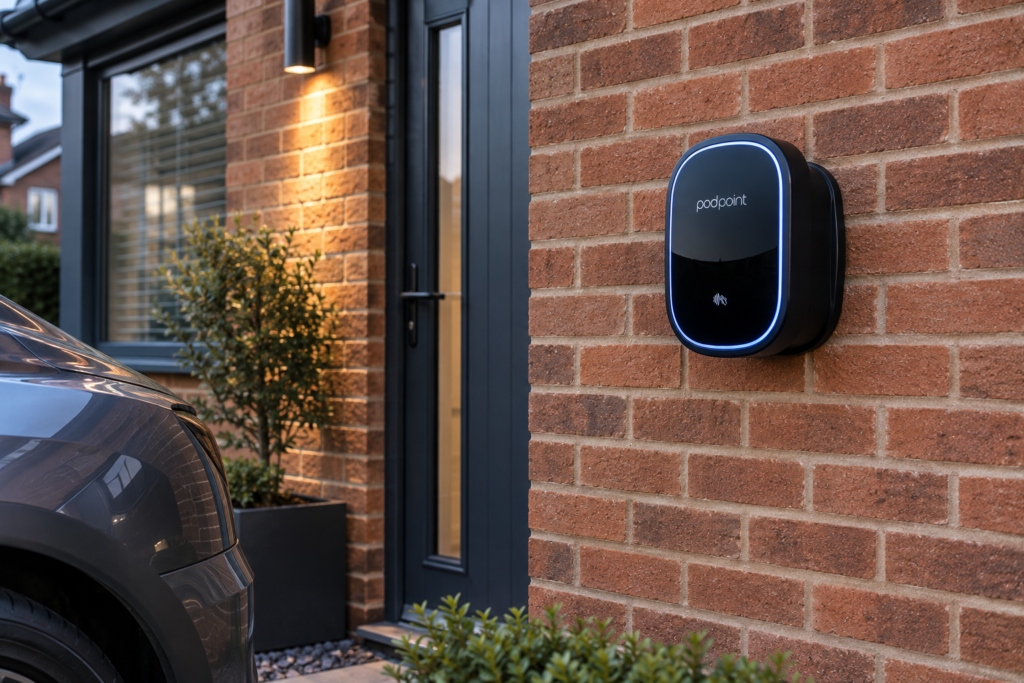
If you are planning to install a home charge point in the UK, you might be reading outdated information online about electricians needing to drive a large copper spike into your front garden. But does an EV charger need an earth rod in 2026? The short answer is: usually, no. Thanks to rapid advancements in modern electrical safety and updated UK wiring regulations, most new wallboxes feature built-in technology that eliminates the need for physical earthing rods.
In this comprehensive guide, we will explain exactly what PEN fault protection is, why the earthing requirements UK drivers face have changed, and how to ensure your new installation is completely safe and legally compliant.
What is an Earth Rod and Why Was it Required?
When homeowners ask does an EV charger need an earth rod, they are usually referring to a metre-long copper spike buried in the ground next to the charger.
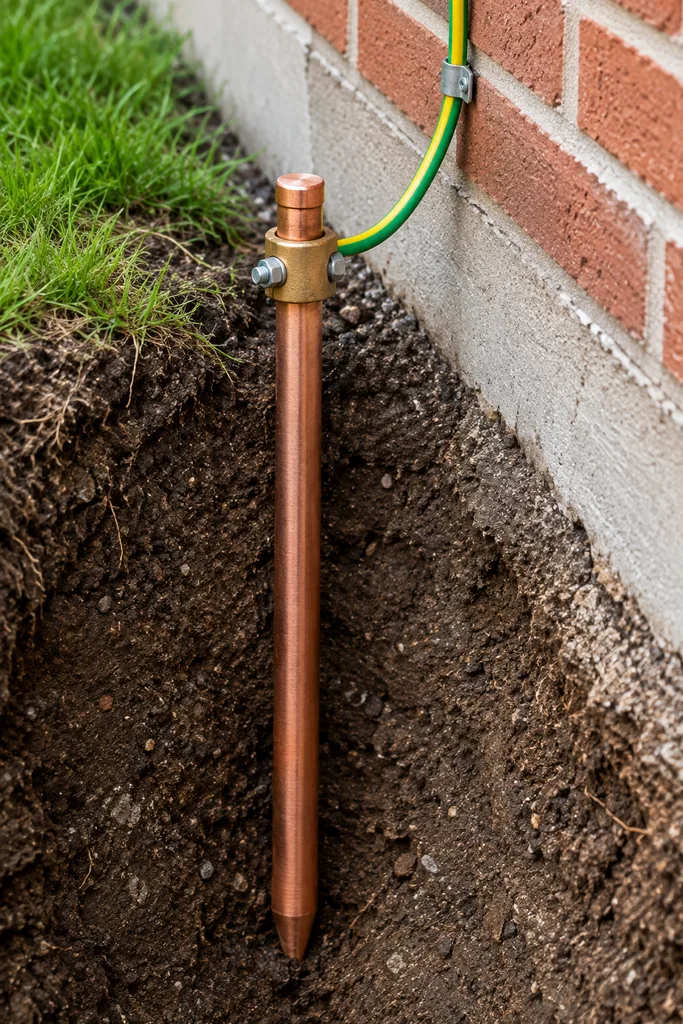
Historically, the UK electrical grid uses a system called PME (Protective Multiple Earthing). In this system, the earth and neutral supplies are combined into a single conductor. While this is highly efficient for powering your household appliances, it presents a unique, albeit rare, danger for electric vehicles charging outside.
If a fault occurs on the local power network—specifically, if the combined PEN conductor breaks—the metal body of your electric car could potentially become live with dangerous voltage. To prevent this, electricians used to install a physical copper earth rod to create an independent, safe path to the ground. While effective, earth rods were ugly, difficult to install in concrete driveways, and added extra labour costs to the installation.
So, Does an EV Charger Need an Earth Rod Today?
In 2026, the vast majority of premium home chargers do not require an earth rod. The industry has moved away from physical copper spikes in favour of advanced, internal software and hardware solutions.
This shift was driven by the Institution of Engineering and Technology (IET), which updates the UK’s wiring regulations. Under the 18th Edition (Amendment 2), installers are permitted to forego the earth rod if the charging unit has an approved, built-in safety mechanism to detect and isolate network faults instantly.
What is PEN Fault Protection (O-PEN)?
Instead of relying on a metal stick in the dirt, modern chargers use O-PEN (Open PEN) fault protection technology.
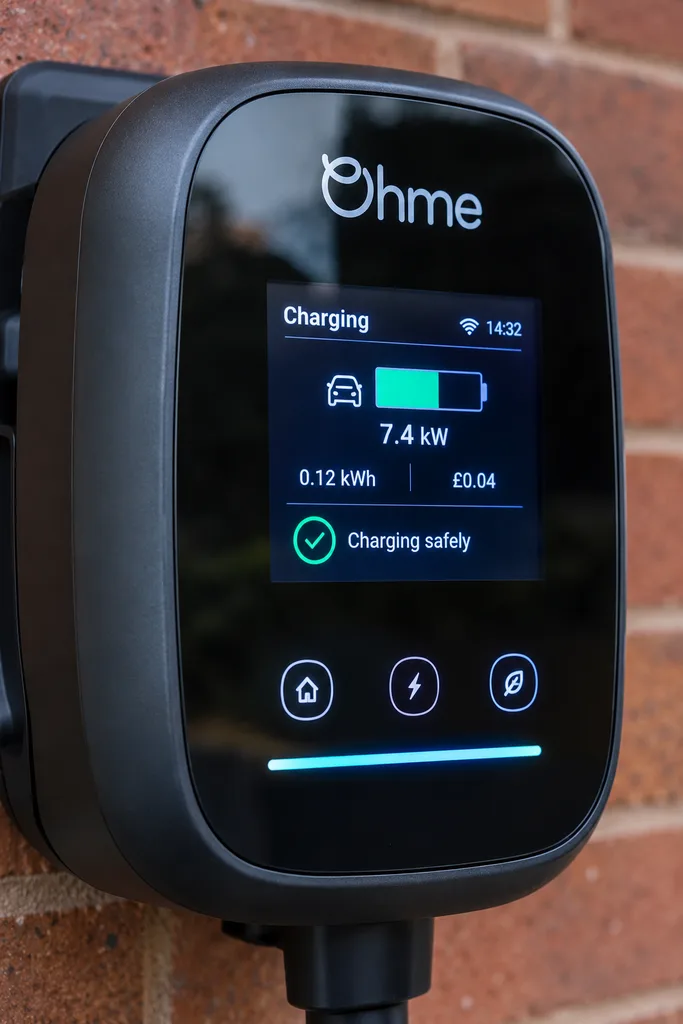
This internal safety system constantly monitors the incoming voltage from the UK grid. If the system detects a dangerous fluctuation or a broken neutral line on the network, it physically disconnects all poles (including the earth) within milliseconds. This completely isolates your vehicle from the grid, ensuring that the metal chassis of your car never becomes electrically live.
Chargers like the Zappi, Ohme Home Pro, and Easee One all feature this built-in PEN fault protection as standard. By choosing one of these modern units and pairing it with a cheap smart EV tariff, you guarantee a safe, cost-effective, and aesthetically pleasing home setup.
Frequently Asked Questions (FAQs)
Can I still use an earth rod if I want to?
Yes. If you are installing an older, cheaper charger that lacks built-in PEN fault protection, your electrician is legally required to install a physical earth rod to comply with IET regulations.
How do I know if my charger has built-in earthing?
Check the manufacturer’s specifications before purchasing. Look for terms like “Built-in PEN fault protection”, “O-PEN technology”, or “No earth rod required”. If you are charging on the pavement using EV cable protectors, having built-in earthing ensures maximum safety for passing pedestrians.
The Bottom Line
If you are still wondering does an EV charger need an earth rod, you can rest easy knowing that modern technology has solved the problem. By purchasing a wallbox with built-in PEN fault protection, you avoid the extra cost and ugly aesthetics of drilling a copper spike into your driveway. Always ensure your electrician is fully qualified and confirms that your chosen unit complies with the latest 18th Edition IET Wiring Regulations.